

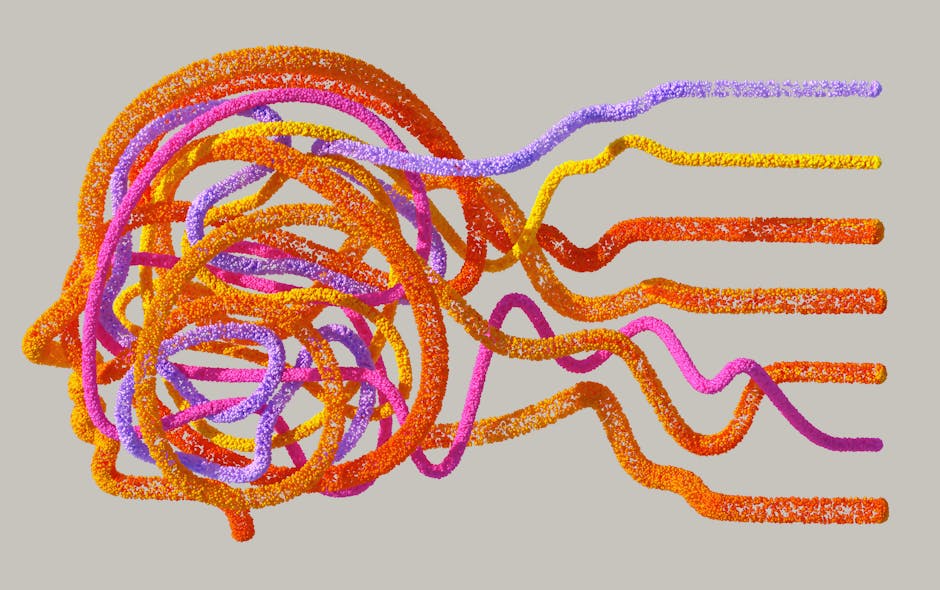
A Balanced Approach to Fear and Promise
Artificial intelligence looms large in our collective imagination. From sensational headlines about “killer robots” to alarming deepfakes (and whispers of sentient algorithms taking over), it’s no surprise that many people feel uneasy. The question isn’t just Should I be afraid of AI? It’s more nuanced, more urgent: Can we build a future where AI empowers rather than endangers us? The answer is yes—but only if we move beyond panic toward informed, intentional action. Let’s explore the real risks, the sweeping opportunities, and the practical steps to shape a responsible future.
The Roots of Our Anxiety: Real Concerns, Not Just Hype
AI anxiety isn’t born from science fiction—it’s rooted in tangible threats. Consider these pressing issues:
1. Job Displacement: More Than “Robots Taking Jobs”
The specter of automation isn’t about a sudden dystopia where humans vanish overnight. It’s about the messy reality of a shifting labor market. Studies suggest up to 30% of global work hours could be automated by 2030, impacting fields from trucking to customer service and even creative industries. The real problem? The pace of this change, coupled with inadequate reskilling programs. Workers in middle-skill jobs – think retail, manufacturing, or basic office tasks – face immediate disruption, often without clear pathways to adapt. Ignoring this isn’t reckless; it’s dangerous.
2. Bias Amplification: When AI Learns Our Worst Traits
Artificial intelligence systems learn from data, which is riddled with human biases. Picture a hiring algorithm trained on resumes dominated by male engineers—who might then favor names like “John” over “Sarah.” Amazon scrapped such a tool after it penalized resumes mentioning “women’s” clubs. Worse, algorithms used in criminal justice, like those predicting recidivism, have shown racial bias, with Black defendants facing harsher sentences for similar crimes. This isn’t malice – it’s the system reflecting our flawed history. The risk here is institutionalized discrimination veiled as objectivity.
3. Security Threats: Beyond Deepfakes
While AI-generated deepfakes cause enough alarm, the dangers run deeper. Autonomous weapons (so-called “killer robots”) raise ethical nightmares about machines making life-or-death decisions without human oversight. Then there’s hyper-targeted disinformation: Artificial intelligence could mimic a loved one’s voice to scam someone out of savings, or flood society with personalized fake content that’s nearly impossible to debunk. Meanwhile, AI-powered cyberattacks – like phishing emails crafted in milliseconds or malware adapting on the fly – threaten to outpace even the most skilled human defenders. These aren’t distant fears. They’re emerging now.
4. Privacy Erosion: The Data Glut Problem
Artificial intelligence’s power hinges on data. Think about smartwatches tracking your breathing patterns, social media scoping your interests, or AI diagnosing diseases from health records. This creates a perverse incentive: the more data we collect, the better the AI – until privacy becomes a casualty. Surveillance capitalism thrives when companies monetize everything from location history to shopping habits, all under confusing “opt-in” agreements. Function creep adds to the problem: data collected for one purpose (like fitness tracking) is repurposed for others (like insurance underwriting) without consent. The result? Detailed, predictive profiles of our lives, behaviors, and even vulnerabilities – accessible to corporations or worse, adversaries.
5. Existential Concerns: Singularity, but Not Yet
The fear that artificial intelligence could surpass humans in intelligence (“the singularity”) is often framed as imminent doom. But today’s artificial intelligence is narrow – expert at specific tasks like language translation or image recognition, lacking consciousness or the capacity to set goals. Achieving Artificial General Intelligence (AGI), – human-level broad intelligence – is a scientific Everest with no clear path. Researchers like Geoffrey Hinton suggest AGI might be decades away, if achievable at all. While this far-off risk shouldn’t dominate our focus, it underscores why we must address immediate challenges: how to align AI’s goals with human values as it becomes more capable.
Why Fear Isn’t the Right Framework: Shifting Toward Prudent Action
Artificial intelligence isn’t a monolithic force—it’s a tool shaped by humans. Its impact depends on who builds it, what data they train it on, how it’s regulated, and the ethical guardrails in place. The same artificial intelligence that aids doctors in diagnosing cancer could also amplify biases if left unchecked. This is about governance, not fate.
The upside of artificial intelligence is staggering:
- Healthcare: Artificial intelligence analyzes medical scans with greater accuracy than humans, predicting diseases and aiding drug discovery (e.g., DeepMind’s AlphaFold).
- Climate Change: Artificial intelligence optimizes energy grids, reduces agricultural waste, and accelerates climate modeling.
- Scientific Breakthroughs: From physics to biology, artificial intelligence deciphers data at speeds no human can match.
- Accessibility: Real-time translation bridges language gaps; voice recognition empowers people with disabilities.
But the real danger isn’t artificial intelligence itself—it’s complacency. Failing to invest in ethics, regulations, or public understanding lets risks fester.
Building a Future of Confidence: The Path Forward
Addressing these challenges requires layered, deliberate action—and it starts today:
1. Regulation That Rises to the Challenge
The EU’s Artificial Intelligence Act is a step forward, categorizing systems by risk level and mandating transparency and oversight. But global coordination is key; a race for AI dominance without standards breeds negligence. Regulations must be agile, not restrictive, and focused on outcomes (e.g., “no biased hiring algorithms”) rather than technical specifics.
2. Bias Prevention: From Awareness to Action
Diverse development teams and rigorous bias testing are non-negotiable. Tools like “explainable AI” and independent audits can make systems more transparent. Accountability matters too—who’s responsible when bias emerges? Developers? Deployers? Institutions? Clear answers here are critical.
3. Privacy by Design & Data Sovereignty
Future frameworks must enforce data minimization (collecting only what’s essential), strong purpose limitation, and user control. Innovations like decentralized identity systems and privacy-preserving techniques (e.g., federated learning, where data stays on your device) offer hope.
4. Future-Proofing the Workforce
Massive investment in reskilling—focusing on critical thinking, creativity, and human-AI collaboration—is essential. Social safety nets like expanded unemployment benefits or universal basic income may be necessary complements to traditional work structures. This isn’t just economic—it’s a matter of social stability.
5. Democratizing Understanding & Building Trust
Fear thrives in ignorance. Governments, companies, and educators must engage the public with clear, accessible AI literacy programs. Workshops, school curricula, and transparent documentation of artificial intelligence systems can empower citizens and foster trust. The conversation about who shapes AI—and for whom—must be inclusive.
Conclusion: The Choice is Ours, Not the Machine’s
The question isn’t “Should we fear AI?” It’s “Are we building it responsibly enough to ensure it enhances, rather than endangers, human life?”
Our fears aren’t irrational—they’re signposts pointing to real vulnerabilities. But they should also be a call to action, not an excuse for paralysis. The technology itself isn’t evil; its future depends on the choices we make today: developers crafting ethical systems, policymakers creating adaptive regulations, and citizens demanding transparency.
We stand at a crossroads. One path is reactive panic—a stifling of innovation without addressing root problems. The other is proactive stewardship: building robust frameworks, fostering inclusion, and ensuring artificial intelligence serves humanity’s highest aspirations. The potential benefits—curing diseases, advancing science, fighting climate change—are too immense to ignore because of poorly managed anxieties.
True courage lies in acknowledging risks with clarity while embracing the responsibility to build a future we can trust. Artificial intelligence is not a specter—it’s a tool. The most reckless response isn’t fear. It’s pretending it doesn’t matter. The blueprint for progress is in our hands: let’s choose wisely, together.